Neurotransmitters are chemical messengers that carry signals between neurons and the cells they act on — in muscles, in glands, and in other parts of the brain. They keep things like heartbeat and breathing regulated, and they are involved in pleasure, pain, fear and mood.
A caution about "chemical imbalance"
You will often read that a mental illness is caused by too much or too little of one chemical. That is a simplification, and in places it is simply wrong. These molecules act in systems that affect each other, and no single one of them explains a condition on its own. We have cut several too-much-and-too-little claims that the older version of this page carried, including one that a surplus of serotonin causes autism. It does not.
A note on the labels below: whether a neurotransmitter excites or quiets a neuron can depend on which receptor it binds, not on the chemical alone. Acetylcholine and dopamine in particular act through several receptor types and can do either, so a single “excitatory” or “inhibitory” label is a simplification.
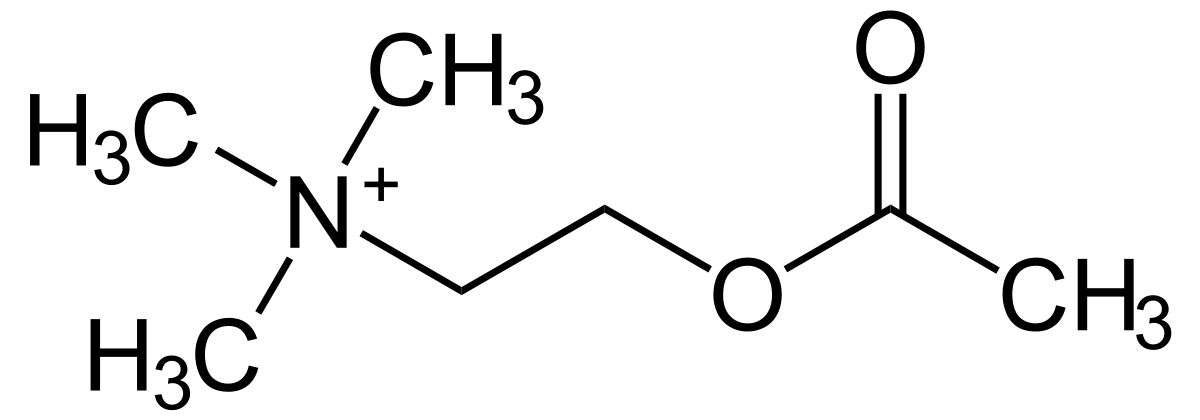
Acetylcholine
Associated with muscle movement and with memory — it is sometimes called the learning neurotransmitter.
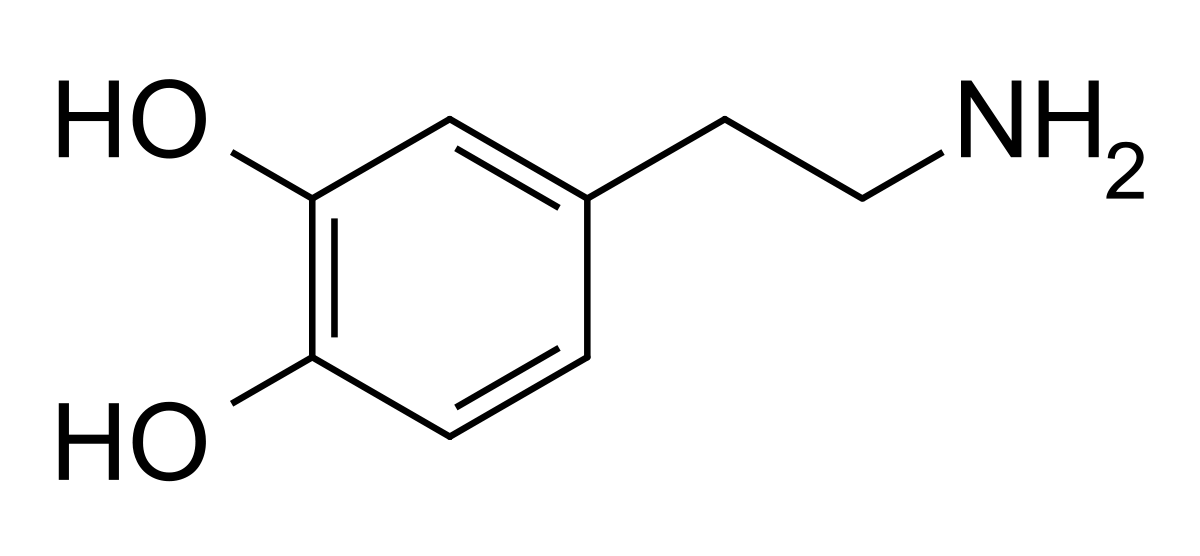
Dopamine
Influences learning, movement, attention and emotion. Loss of dopamine-producing cells is central to Parkinson’s disease, and dopamine signalling is the longest-standing line of research into schizophrenia.
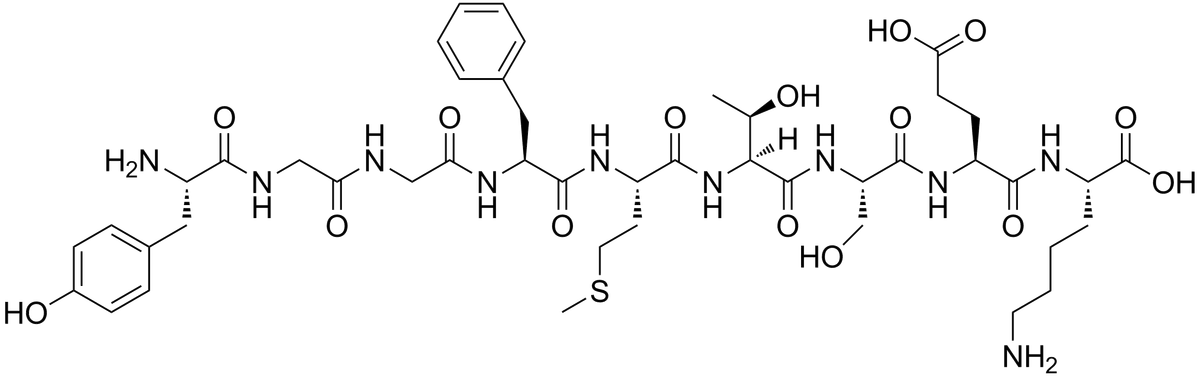
Endorphins
Involved in how pain is perceived, and in positive feeling.
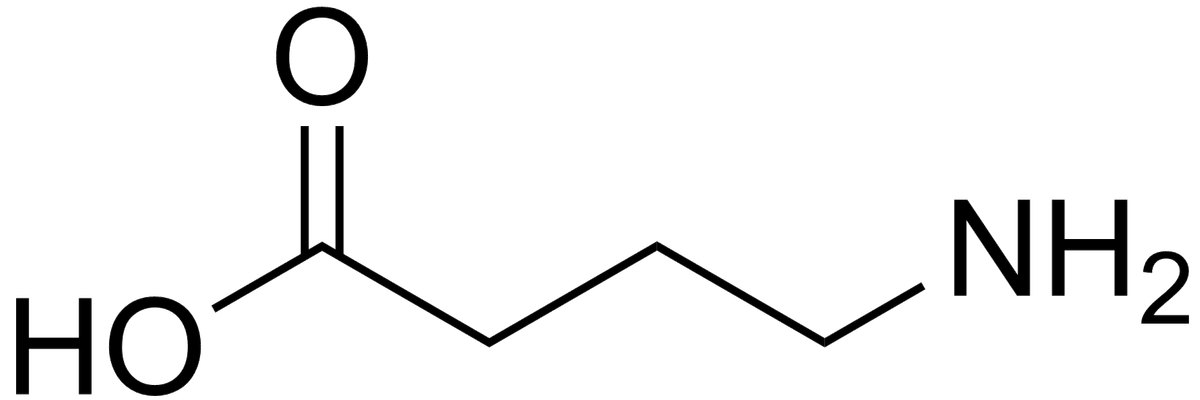
GABA
Gamma-aminobutyric acid, the brain’s main inhibitory messenger: it offsets excitatory signals. Too little GABA activity is associated with anxiety and with seizures.
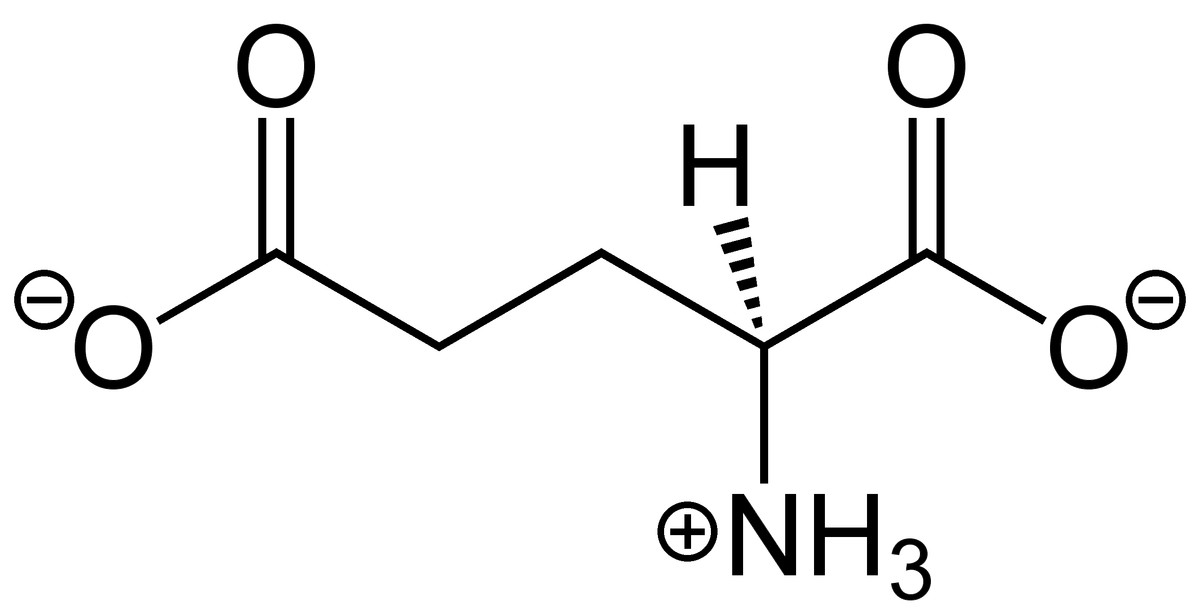
Glutamate
The brain’s main excitatory messenger, involved in memory. Too much glutamate signalling overstimulates neurons.
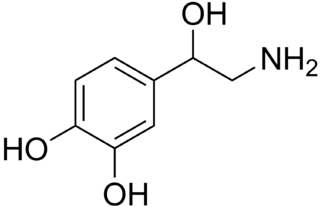
Norepinephrine
Controls arousal and alertness, and is part of the body’s fast response to stress.
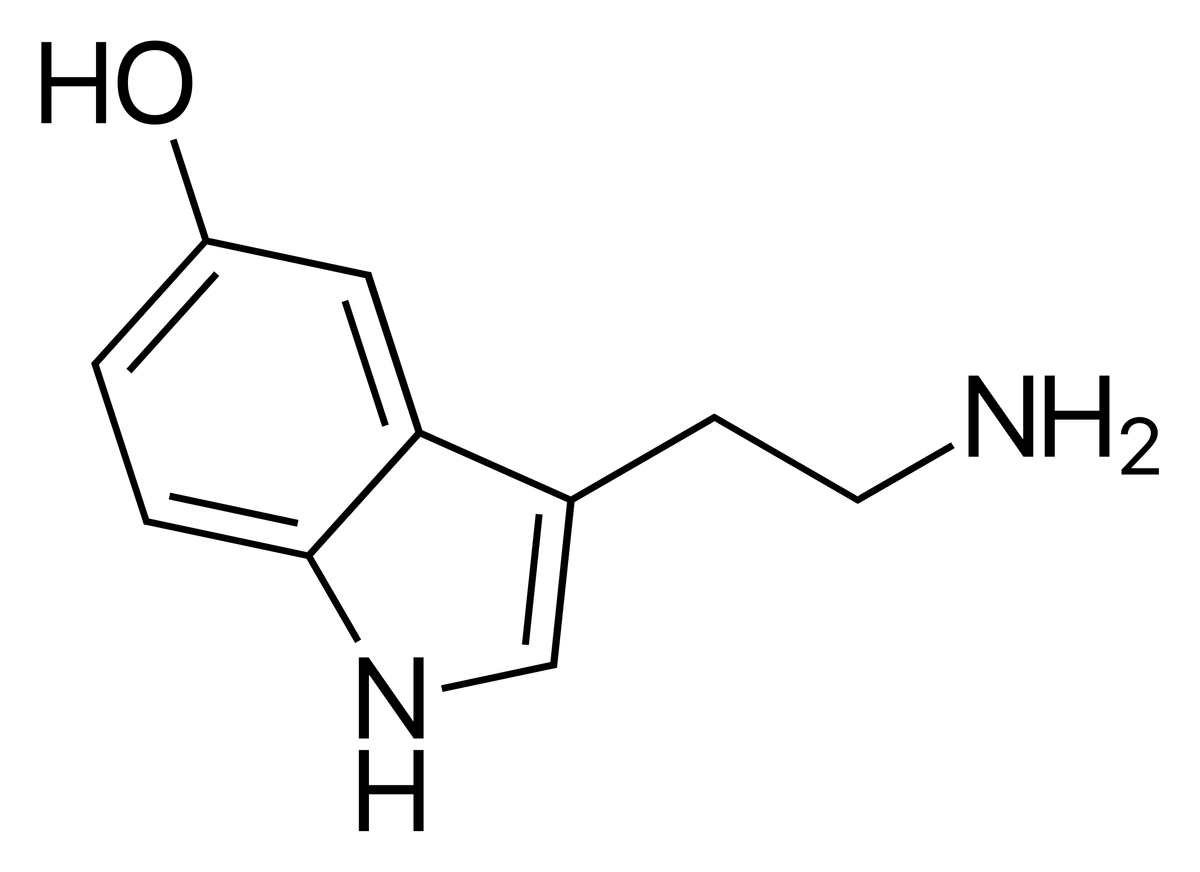
Serotonin
Involved in mood and emotional state, and also in sleep, appetite and digestion. Antidepressants that act on serotonin help many people, which is why it is so often discussed alongside depression.
Sources
- Khan Academy — Neurotransmitters and their receptors (the source this page has always cited; verified in a browser September 2026, because the article renders in JavaScript and a plain fetch returns an empty shell)